

Technology is evolving faster than ever before. Automation, artificial intelligence, and robotics are transforming industries and many jobs that seem stable today may completely vanish within the next decade.
If you are a student or early in your career, this is not something to fear it’s something to prepare for.
The smartest professionals are already adapting.
In this article, you’ll discover:
✅ Jobs most likely to disappear by 2035
✅ Why they are at risk
✅ Futureproof skills you should start learning now
✅ How to stay ahead of automation
🏪 1. Cashiers

Walk into a modern supermarket today and you’ll notice something changing machines are replacing humans at checkout counters.
Self-checkout systems are faster, cheaper, and don’t require salaries, benefits, or breaks.
Major retailers are investing heavily in cashier-less stores, where sensors automatically detect what customers pick up and charge them instantly.
Why This Job Is Disappearing:
Businesses reduce labor costs
Machines minimize human error
Customers prefer faster checkout
✔ What to Learn Instead:
👉 Customer experience management
👉 Sales psychology
👉 Digital marketing
Human interaction still matters but routine scanning does not.
🏭 2. Factory Workers
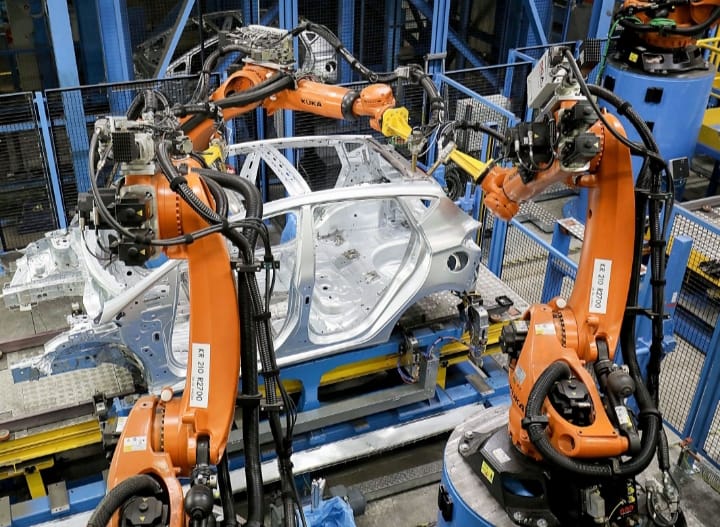
Factories used to employ thousands of workers.
Today, a handful of technicians supervise machines that can work 24/7 without fatigue.
Robots don’t ask for raises. They don’t get injured easily. And they produce consistent quality.
Why This Job Is at Risk:
Robots increase production speed
Fewer mistakes
Lower long-term costs
✔ Future-Proof Skills:
👉 Robotics maintenance
👉 Machine programming
👉 Industrial AI systems
👉 Engineering basics
Don’t compete with robots learn how to control them.
🚗 3. Drivers (Taxi & Truck)
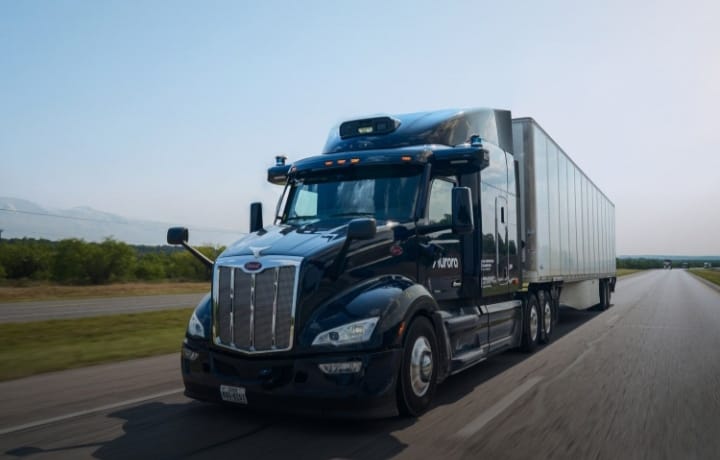
Self-driving technology is improving every year.
By 2035, autonomous vehicles could dominate logistics and transportation.
Imagine fleets of trucks delivering goods across countries without a single driver.
Why Driving Jobs May Decline:
AI reacts faster than humans
Fewer accidents
Lower insurance costs
No driver fatigue
✔ Smarter Career Moves:
👉 Fleet management
👉 Logistics technology
👉 Transportation analytics
👉 AI system monitoring
The transport industry isn’t dying it’s becoming smarter.
📞 4. Data Entry Clerks

Typing information into spreadsheets used to be essential work.
Now, AI tools can extract data from documents in seconds with near-perfect accuracy.
Companies are rapidly adopting automation software to eliminate repetitive office tasks.
Why This Role Is Fading:
AI processes data instantly
Software reduces operational costs
Cloud systems sync information automatically
✔ Learn These Instead:
👉 Data analysis
👉 Business intelligence
👉 Excel advanced skills
👉 AI tools
The future belongs to people who interpret data not just enter it.
🏦 5. Bank Tellers
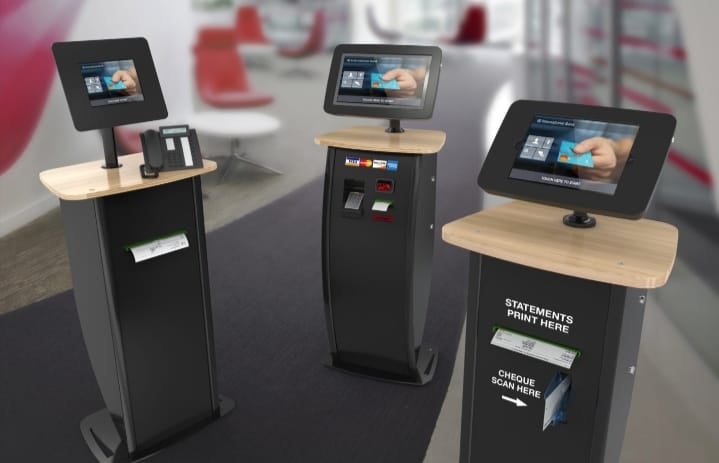
When was the last time you visited a bank branch?
Most people now transfer money, pay bills, and even apply for loans from their phones.
Physical banking is shrinking fast.
Why Teller Jobs Are Declining:
Mobile banking growth
Smart ATMs handle complex tasks
Customers prefer digital convenience
✔ Better Skills to Develop:
👉 Financial technology (FinTech)
👉 Investment knowledge
👉 Financial advisory
👉 Risk analysis
Money isn’t disappearingbanking is just going digital.
🧠 Future-Proof Skills You Should Start Learning NOW
If you want a secure and high-income future, focus on skills machines struggle to replicate.
⭐ Top Skills for the Next Decade:
- Artificial Intelligence Literacy
You don’t need to be a programmer — but understanding AI will give you a massive advantage. - Creativity
Machines follow patterns. Humans create them. - Critical Thinking
Companies will pay more for decision-makers than task-doers. - Emotional Intelligence
Leadership and communication cannot be automated easily. - Digital Skills
Every industry is becoming tech-driven.
Your adaptability will determine your success.
⚠️ Don’t Panic — Prepare
Every technological revolution in history created fear.
But it also created better opportunities.
People once feared computers would destroy jobs — instead, they created millions of new careers.
The same will happen again.
The winners will not be the strongest.
👉 They will be the ones who adapt fastest.
🚀 How to Stay Ahead of Automation
Follow this simple strategy:
✅ Never stop learning
✅ Update your skills every year
✅ Follow industry trends
✅ Take online courses
✅ Build multiple income sources
Think long-term.
Your future career should be based on skills, not just degrees.
💡 Final Thoughts
By 2035, the world of work will look dramatically different.
Some jobs will vanish.
New ones will emerge.
And the biggest risk you can take today… is assuming your career will stay the same.
👉 Start preparing now, and your future self will thank you.
Remember:
Automation replaces the predictable — not the passionate.
So keep learning, stay curious, and position yourself where opportunity is growing.
