

Technology is evolving faster than ever before. What once seemed like science fiction is quickly becoming part of our everyday lives. From intelligent robots to cities powered entirely by renewable energy, the next decade will redefine how humans live, work, and interact.Experts believe that by 2035, several groundbreaking innovations will reshape entire industries and create opportunities we can barely imagine today.Let’s explore the most exciting future technologies that are set to transform the world.
🤖 1. Artificial Intelligence Everywhere
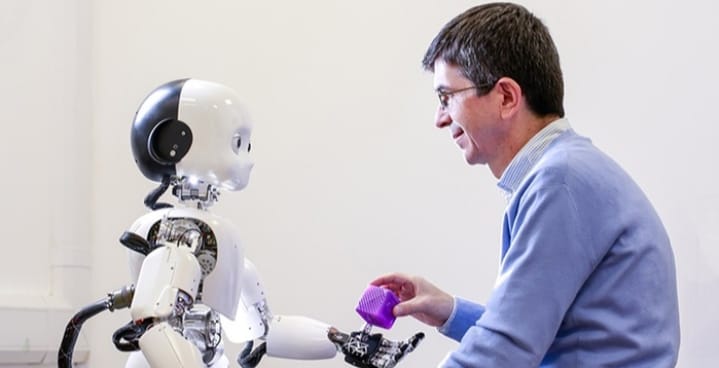
Artificial Intelligence (AI) is no longer limited to chatbots and virtual assistants. In the future, AI will power:
✅ Smart homes that predict your needs
✅ AI doctors detecting diseases early
✅ Fully automated workplaces
✅ Personal AI tutors for students
Some experts even predict AI could outperform humans in many complex tasks.
👉 Impact: Faster services, safer industries, and higher productivity.
🚗 2. Self-Driving Cars Taking Over Roads
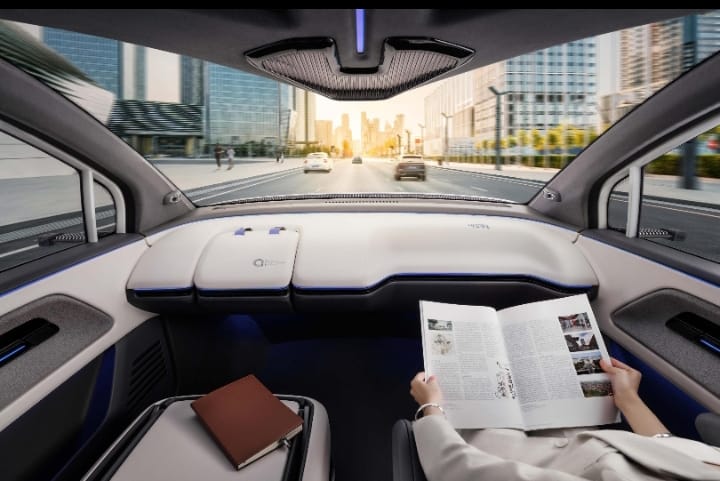
Imagine sitting back and relaxing while your car safely drives you to your destination.
Autonomous vehicles are expected to:
Reduce accidents caused by human error
Cut traffic congestion
Improve fuel efficiency
Save commuting time
By 2035, driverless taxis may become completely normal in major cities.
👉 Impact: Safer roads and stress-free travel.
🧠 3. Brain-Computer Interfaces
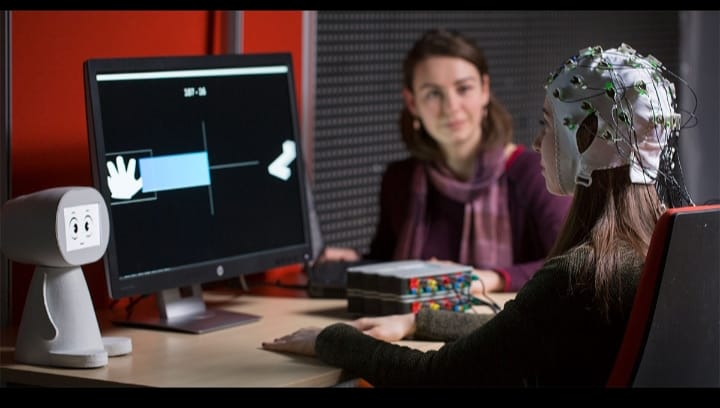
This technology could allow humans to control devices using only their thoughts.
Possible uses include:
✅ Helping paralyzed patients move again
✅ Communicating without speaking
✅ Enhancing memory
✅ Faster learning
While it sounds futuristic, researchers are already testing early versions.
👉 Impact: A revolution in medicine and human capability.
🌆 4. Smart Cities Powered by Technology
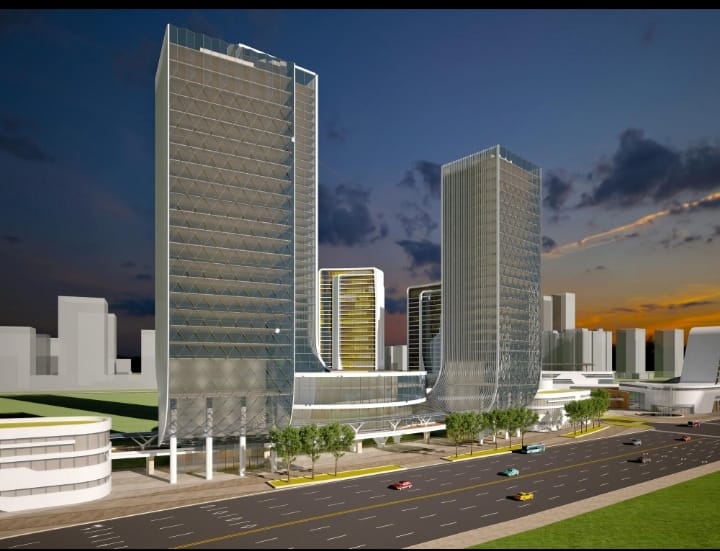
Future cities will use sensors and AI to manage everything from traffic to electricity.
Expect:
Intelligent traffic lights
Zero-waste systems
Automated public transport
Energy-efficient buildings
These cities will not just be modern — they will be sustainable.
👉 Impact: Better living standards with less environmental damage.
🧬 5. Personalized Medicine
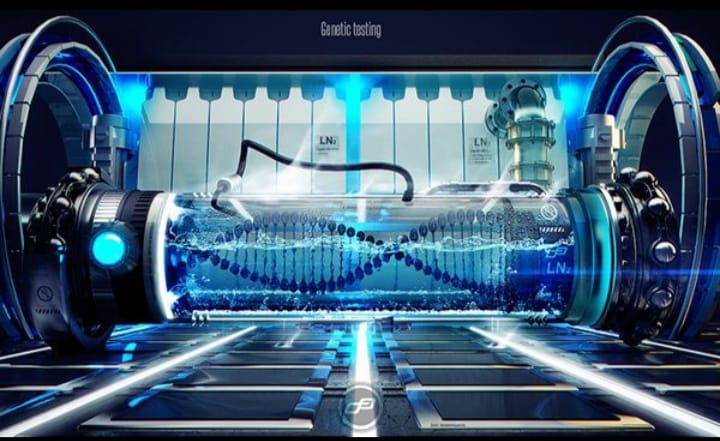
Healthcare is shifting from “one treatment for all” to customized care.
Future doctors may design treatments based on your DNA, helping to:
✅ Prevent diseases before they start
✅ Increase treatment success
✅ Reduce side effects
👉 Impact: Longer and healthier lives.
🔋 6. Next-Generation Batteries
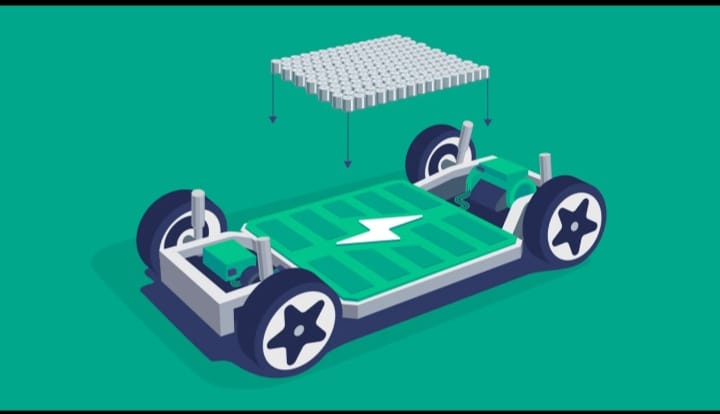
Battery breakthroughs could transform how we use energy.
Soon we may see:
Phones that last several days
Electric cars charging in minutes
Homes powered by stored solar energy
👉 Impact: Cleaner energy and fewer power shortages.
🛰️ 7. Space Tourism
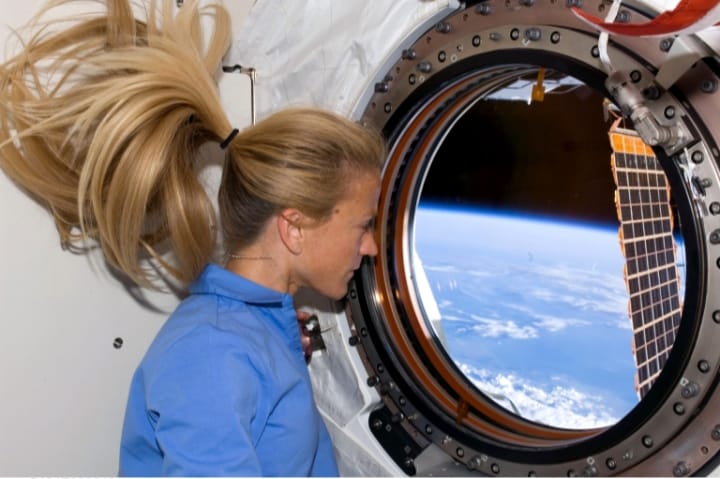
Space may no longer be reserved for astronauts.
Companies are already working toward commercial trips beyond Earth.
Future possibilities include:
✅ Hotels in orbit
✅ Lunar vacations
✅ Civilian space flights
👉 Impact: A brand-new travel industry.
🖨️ 8. 3D Printing Changing Manufacturing
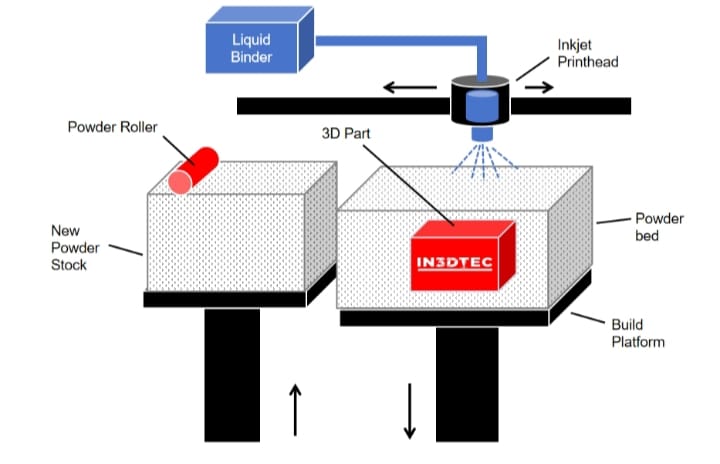
Instead of factories producing goods in bulk, products could be printed on demand.
This may allow:
Faster construction of homes
Affordable prosthetics
Reduced production waste
👉 Impact: Cheaper and more efficient manufacturing.
🔥 What This Means for Our Future
These technologies are not just exciting — they are inevitable.Over the next decade, they will:
Over the next decade, they will:
✅ Create new careers
✅ Transform economies
✅ Improve healthcare
✅ Make life more convenientThe future is closer than we think
⭐ Final Thoughts
The world in 2035 will look dramatically different from today. While change can feel overwhelming, it also brings incredible opportunity.
Those who understand emerging technologies early will be better prepared for tomorrow.
One thing is certain:
👉 The future will belong to those who adapt.
