

Synopsis: In Q1 FY27, Regaal Resources reported a 47% increase in PAT and an 18% YoY decline in revenue as the company moved away from low-margin trading at the same time that its recently doubled crushing capacity started to ramp up.
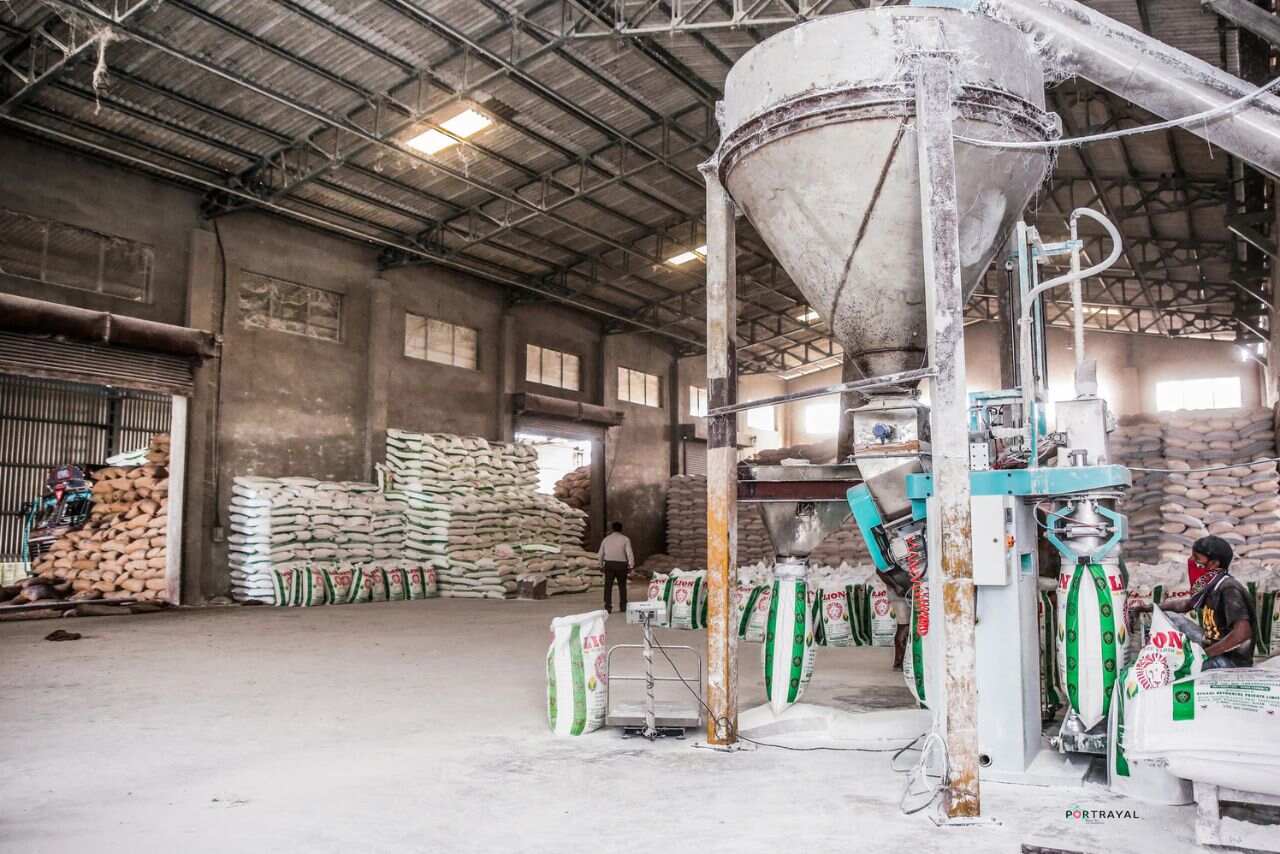
As demand for liquid glucose, maltodextrin, and speciality starches used in food, paper, pharmaceutical, and industrial applications rises, India’s maize wet-milling and starch industry has been quietly consolidating around a few major processors. Regaal Resources recently underwent the largest capacity expansion in its history, and its first quarter as a doubled-capacity business provides an early, if incomplete, indication of whether that wager is succeeding.

Regaal Resources last traded around Rs.95.11, valuing the Bihar-based maize processor at a market capitalisation of roughly Rs.979.57 crore. The stock trades at a P/E of about 16 times.
Profitability Improved Despite Weaker Sales
As a result of management reducing low-margin trading activity, which decreased from 19.5% of revenue in Q1 FY26 to just 3.3% this quarter, revenue fell 18% YoY and 17.4% QoQ to Rs.202.15 crore in Q1 FY27. PAT increased 47% YoY to Rs.13.33 crore despite the lower top line, but it dropped 19.4% QoQ from the stronger base in Q4 FY26. Management attributed this to increased value-add, which was supported by a lower contribution from trading income.

Operating EBITDA increased 26.6% year over year to Rs.30.98 crore, while margin increased significantly to 15.3% from 9.9% in the previous year. The trade-off is clear: a cleaner, higher-margin mix at the expense of lower revenue.
Can the Doubled Capacity Actually Translate Into Volumes?
In late May, crushing capacity doubled to 1,650 TPD from 825 TPD; however, Q1 crushing volumes increased only 7.6% YoY to 69,689 tonnes, hindered by about nine days of plant integration shutdown.Management is targeting more than 4 lakh tonnes for FY27, up from about 2.65 lakh tonnes in FY26, implying growth above 50%, with 1–1.1 lakh tonnes guided for Q2 (a 44–58% ramp over Q1). The company hasn’t provided a backup plan in case integration takes longer than anticipated, and that’s a steep ramp crammed into the final three quarters.
Value-Added Products Could Reshape the Revenue Mix
Value-added income, which includes maltodextrin and liquid glucose, increased 30.3% year over year to Rs.80.53 crore, and its margin increased from 25.1% to 39.8%. The value-added share of turnover is predicted by management to increase from approximately 3% in FY26 to 20–22% in FY27, a nearly seven-fold increase in mix share in just one year. Maltodextrin alone requires an additional two to three months to reach planned volumes because new institutional and MNC customers take time to onboard, so that’s an aggressive target based on customer qualification cycles.
Exports and New Products Are the Next Growth Triggers
From 4.9% to 10.4% of revenue, the export contribution more than doubled year over year. While modified starches like cationic and carboxymethyl starch are expected to go fully online by September and dextrose products are only anticipated by Q4 FY27, liquid glucose has already reached about 70% of its target capacity utilisation. Each of these increases optionality, but management has noted that the margin upside from new products is still directional rather than quantifiable because per-tonne EBITDA is primarily a function of maize and finished-product pricing, not something the company controls.
Debt Reduction Will Be the Real Proof of Execution
As of June 2026, net debt was Rs.735.32 crore, with Rs.552 crore, or about 83%, of the Rs.664 crore project cost already spent. Since incremental revenue from that capacity had hardly begun to flow through by the end of the quarter, the company’s cash conversion cycle extended to 130 days, primarily due to increased inventory built to support the expanded capacity.
According to management, debt is currently at its highest point because of the seasonal inventory build for the Rabi procurement cycle. Based on past performance, they anticipate that working capital debt will decrease by about 40% by Q4 as the new capacity turns inventory into sales.
The company hasn’t fully addressed the question of whether that seasonal pattern holds at twice the prior scale, with a correspondingly larger inventory base to unwind. Separately, Bihar’s industrial policy allows interest subvention for all capex-linked term debt, which management claims keeps the effective cost of borrowing in check despite a significant increase in gross debt.
What Should Investors Look Out For
The five aforementioned threads point to a single crucial test: will Q2 crushing truly fall close to the recommended 1-1.1 lakh tonnes? This one data point will either support or refute the FY27 volume narrative. Instead of remaining stuck at current levels, investors should monitor whether the value-added share of turnover moves significantly past the current run-rate towards the 20–22% target.
Rather than going back to last year’s single digits, EBITDA margin remaining above 15% would support the operating leverage narrative rather than being a one-quarter anomaly due to the change in the trading mix.
The best indication that the company’s capital expenditure cycle is truly over is when net debt actually decreases in H2 as management has directed, rather than remaining high. Lastly, the FY27 interest cost that the company has guided to Rs.39–40 crore could be significantly impacted by any update on the Bihar interest subvention policy, which is presently awaiting final clearance on the enhanced Rs.40 crore limit.
Disclaimer: The views and investment tips expressed by investment experts/broking houses/rating agencies on tradebrains.in are their own, and not that of the website or its management. Investing in equities poses a risk of financial losses. Investors must therefore exercise due caution while investing or trading in stocks. Trade Brains Technologies Private Limited or the author are not liable for any losses caused as a result of the decision based on this article. Please consult your investment advisor before investing.